Scrum is an agile project management framework that helps teams deliver value incrementally in a collaborative manner. Scrum is based on the idea of iterative development, where teams work on small, self-contained pieces of work called sprints. Each sprint is typically two weeks long, and at the end of each sprint, the team delivers a working product increment to the customer.

Concepts of Scrum
Scrum is a lightweight framework, and it can be adapted to fit the needs of any project. However, there are a few key concepts that are essential to Scrum. These concepts include:
- Iterative development: Scrum is based on the idea of iterative development, where teams work on small, self-contained pieces of work called sprints. Each sprint is typically two weeks long, and at the end of each sprint, the team delivers a working product increment to the customer.
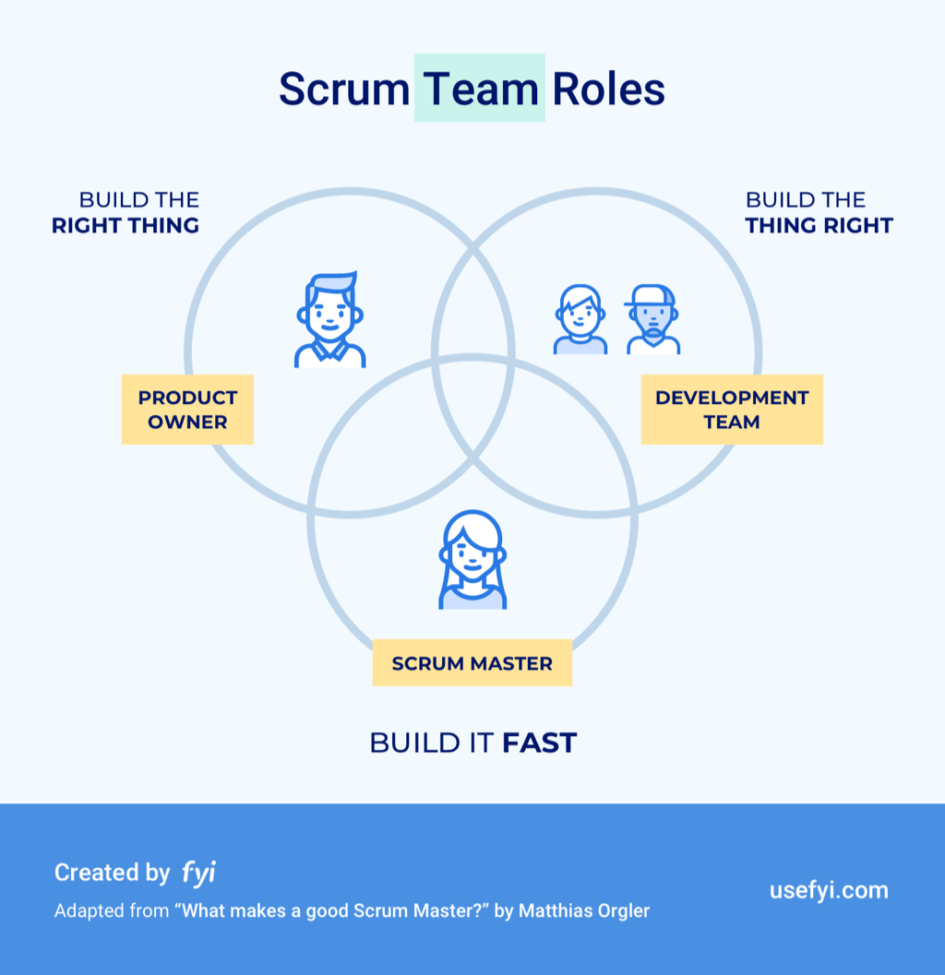
- Collaboration: Scrum is a collaborative framework, and it requires teams to work together closely. The team consists of a product owner, a scrum master, and developers. The product owner is responsible for defining the product vision and prioritizing the backlog. The scrum master is responsible for facilitating the scrum process and ensuring that the team is following the scrum framework. The developers are responsible for building the product.
- Transparency: Scrum is a transparent framework, and all information about the project should be visible to the team. This includes the product backlog, the sprint backlog, and the team’s progress. Transparency helps to ensure that everyone is on the same page and that there are no surprises.
- Inspection and adaptation: Scrum is an iterative framework, and the team should inspect and adapt their process on a regular basis. This means looking at how the team is working and making changes as needed. Inspection and adaptation helps to ensure that the team is always improving and that they are delivering the best possible product.
Benefits of Scrum
Scrum has many benefits, including:
- Increased productivity: Scrum can help teams to increase their productivity by focusing on small, achievable goals.
- Improved quality: Scrum can help teams to improve the quality of their work by delivering working product increments at the end of each sprint.
- Reduced risk: Scrum can help teams to reduce risk by delivering working product increments at the end of each sprint. This allows the customer to provide feedback early and often, which helps to identify and mitigate risks.
- Increased customer satisfaction: Scrum can help teams to increase customer satisfaction by delivering working product increments at the end of each sprint. This allows the customer to see the progress of the project and to provide feedback early and often.
If you are looking for a project management framework that can help you to deliver value incrementally in a collaborative manner, then Scrum is a good option to consider. Scrum is a lightweight framework that can be adapted to fit the needs of any project. It has many benefits, including increased productivity, improved quality, reduced risk, and increased customer satisfaction.
How to Get Started with Scrum?
If you are interested in getting started with Scrum, there are a few things you need to do. First, you need to understand the basic concepts of Scrum. Once you understand the basics, you can start to implement Scrum in your project.
There are many resources available to help you get started with Scrum. You can find books, articles, and online courses that can teach you about Scrum. You can also find Scrum communities and forums where you can ask questions and get help from other Scrum practitioners.
Once you have a basic understanding of Scrum, you can start to implement it in your project. There are many different ways to implement Scrum, so you need to find a way that works for your team and your project.
Here are a few tips for implementing Scrum:
- Start small: Don’t try to implement Scrum all at once. Start with a small project and gradually add more features as you get more comfortable with Scrum.
- Get buy-in from your team: Make sure your team is committed to Scrum before you start implementing it. If your team is not on board, Scrum is not going to be successful.
- Be flexible: Scrum is a flexible framework, so be prepared to adapt it to fit the needs of your project. Don’t try to force Scrum to fit your project.
Scrum is a powerful project management framework that can help you to deliver value incrementally in a collaborative manner. If you are looking for a way to improve the way you manage your projects, then Scrum is a good option to consider.
Conclusion
Scrum is a powerful project management framework that can help teams to deliver value incrementally in a collaborative manner. Scrum is based on the idea of iterative development, where teams work on small, self-contained pieces of work called sprints


You must be logged in to post a comment.